Joe Davis is an alumni of TRU WolfPack basketball, who is currently the associate head coach of TRU Women’s Basketball. With his undeniable experience in the game of basketball and love for the WolfPack, the job opportunity seemed like a no brainer to him. Davis was born and raised in Kamloops, and is a graduate of Westsyde secondary. Davis then went onto play U Sport basketball at TRU, then professional basketball on the Pakenham Warriors in Australia, as well as Naxxar Starlites Basketball Club in Malta. Tearing his MCL 6 months into his career in Malta, he was sent back on the next flight to Kamloops. As he is about to step up to the title of head coach of TRU WolfPack women’s basketball team for the 2026-2027 season and beyond, Davis talked about different aspects of making a career out of the sport he loves. Davis reflects on how when one door closes another door opens, and learning to seize the moments in life.
Click to watch Davis’ story and his positive spin on negative things in sport. He gives advice, speaks about the highs and lows within his career, and everything that has led him back to Kamloops, his world spinning around the sport he loves, the school he experienced in the city that he embodies.
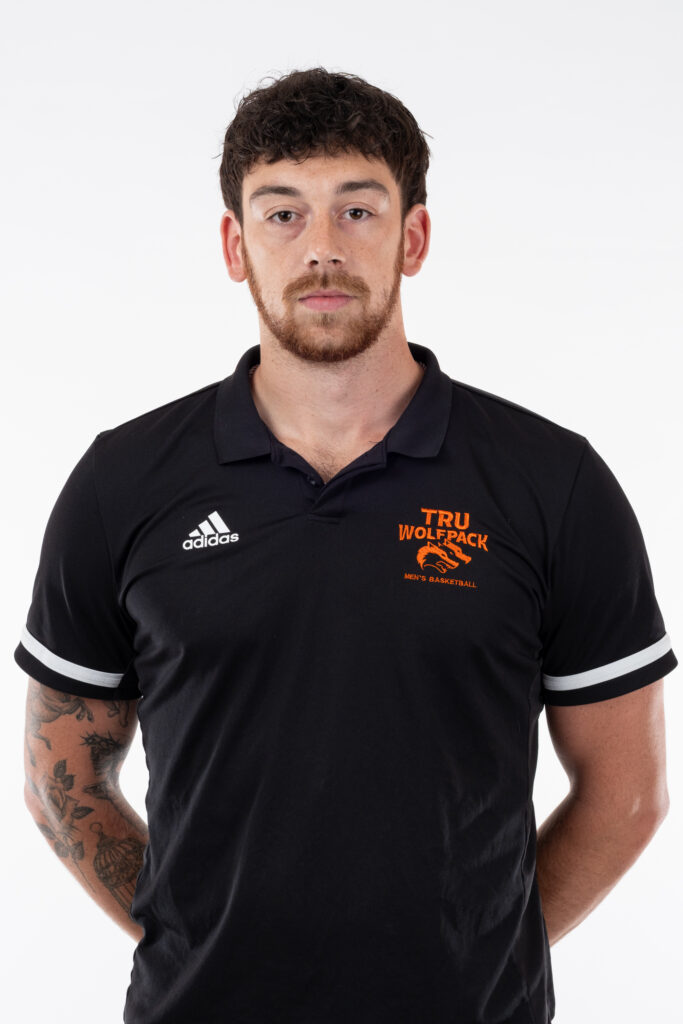
Photo submitted by Joe Davis, taken by Kim Anderson, roster photo first year coaching Women’s Basketball at TRU.
A loud hollow echo that resonates with every squeak of a shoe and every loud strike of a volleyball it a sound that characterizes the TRU gym. Tyson Koop was at the heart of that mayhem for years. He experienced the physical grind, overcoming the intense challenges of someone who gave his all on the court as an experienced athlete for the Men’s WolfPack Volleyball team. Every dive for a ball and huge block contributed to Tyson’s legacy that was built up on dedication and discipline.
Tyson’s journey provides a peaceful knowledge of what it means to close a chapter and start the next one right away, regardless of if you’re a student contemplating what to do or a fellow athlete familiar with the grind. Leaving the court behind means more than just hanging up a jersey; it also means changing one’s identity. Tyson views the discipline he developed in the gym over the last 6 years as having built a bridge for his future. He demonstrates that even though he’s no longer a player on the court, it’s not the end for his volleyball career but rather a turning point on the path to higher heights, showing that the dedication required to compete at the varsity level is much like the fuel required for success in the real world.
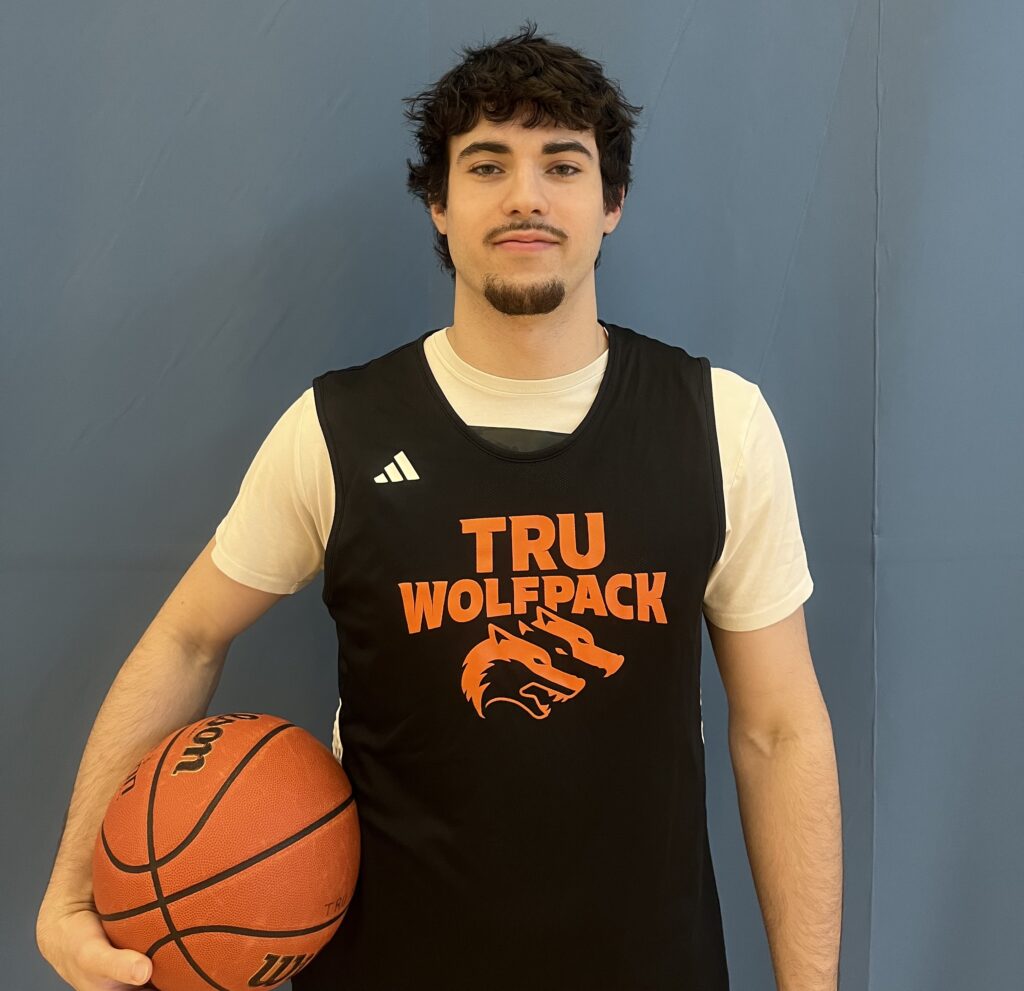
Fan Monreal in the Tournament Capital Centre. Daniel Hitchens, 2026
At just 21 years old, Fan Monreal’s basketball career has taken him on many journeys through multiple different countries and cultures. Originally from Spain, Monreal is now in his third year at college and over the last 4 months has been adjusting to his new life in canada. Before coming to Thompson Rivers University, Monreal spent his time in the United States, where he spent his first year in Missouri and his second in Kansas. Although moving throughout countries due to basketball has become somewhat normal for him, each transition brings new challenges and tribulations he has had to overcome.
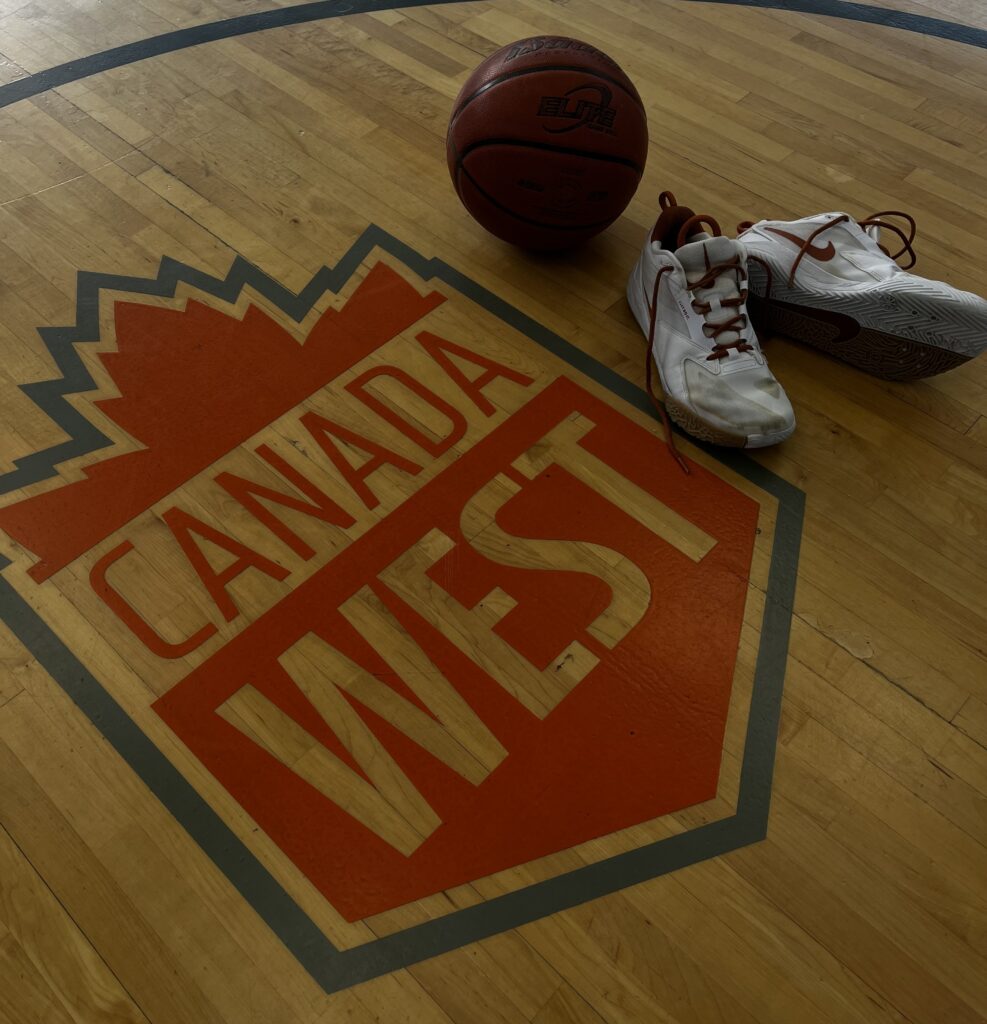
Tournament Capital Centre Court. Daniel Hitchens, 2026
Monreal’s Recruitment Journey
Monreal’s recruitment Journey to canada started with a spanish agent who specializes in finding players opportunities in canada. Because of Monreal’s talents, at the end of last season when he was still playing in Kansas, the agent reached out and explained how the canadian university system works and why it could be a good fit for him both athletically and academically. After some thought, Monreal decided to sign with the agent; quickly after came conversations with universities from around Canada. Monreal had many calls with coaches, learning about their programs, teams, expectations, and opportunities.
In the end, the decision came down to finding the overall best fit. After discussions with his family, Monreal decided to sign with Thompson Rivers University because it matched what he was looking for both on and off the court. However, before officially signing with TRU he met multiple times with the head coach of the men’s basketball team and his agent to go over details to ensure they had what he needed to achieve his goals. for Monreal the process wasnt just about choosing a team; it was about choosing the best environment for his future.
Locker room In the Tournament Captial Centre. Daniel Hitchens, 2026
Recruitment: USA vs Canada
Monreal noticed a big difference between the recruitment processes in the U.S. and Canada. U.S. recruitment can feel more structured and competitive, with a strong culture around exposure and scouting services. With so many programs and athletes, standing out can be difficult unless players are proactive in promoting themselves.
In Canada, it feels more relationship-based and involves more direct communication with the coaching staff; it made the process feel more straightforward and less stressful. Fran also pointed out that social media like X (Twitter) played a bigger role in the recruitment process in the U.S., with players and coaches using it mostly for communicating and sharing highlights. Overall, while both systems offer great opportunities, the path to getting noticed can feel very different depending on the country.
Joining the Wolfpack
Monreal meantioned how joining the WolfPack didn’t just mean being at a new school and playing with a new team; it meant adapting to a new culture, school, weather, and changes on the court.
However, he says, with the pillars of support he had behind From administrative staff helping with immigration and paperwork to coaches and teammates offering guidance and encouragement, the WolfPack community helped him settle in.Although it’s only been 4 months, the people around him have become more like family than anything else. His teammates helped make the move to canada feel possible and made him feel welcome from the first time he set his foot on the basketball court.