Raelene Arden

LIFE OF A STUDENT ATHLETE

|

TRU as a Community – Raelene and Skylynn
This video highlights the voices and experiences of students at Thompson Rivers University. By going out and speaking directly with TRU students, we gained valuable insight into their perspectives on university life. We asked questions such as why they chose TRU, what program they are currently in, their plans after graduation, and what could make the university feel more like a community.

Many students shared aspirations of starting new careers or continuing to explore different opportunities after completing their studies. When discussing ways to strengthen the sense of community at TRU, a common theme was the desire for more activities and opportunities for involvement, which could help build stronger connections among students.

Creating this interview not only gave us a deeper understanding of what students value and hope for, but also helped us develop our communication skills. Engaging with students in a real-world setting pushed us outside of our comfort zones and allowed us to connect with others in a meaningful way.

Overall, this project emphasizes the importance of listening to student voices and understanding how we can work together to create a more connected and supportive university community.

Raelene Arden, 2026.
Day in the Life of a Student-Athlete

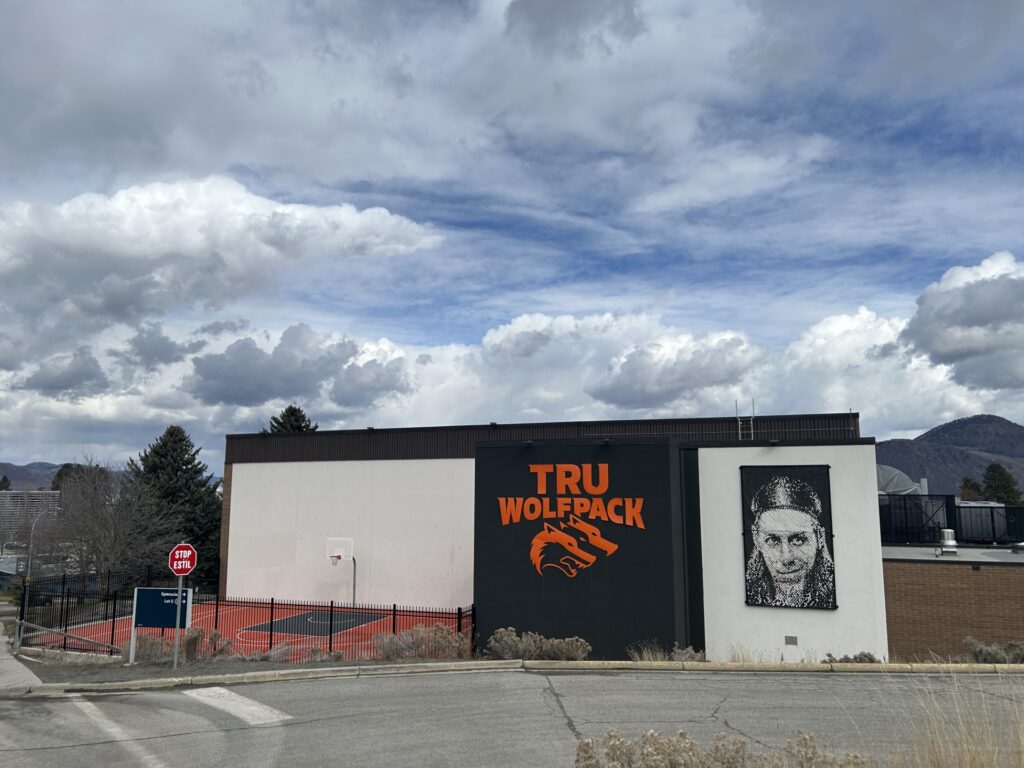
Balancing classes, practices, workouts, games, and sometimes even jobs is all part of the routine for student-athletes. At Thompson Rivers University, members of the TRU WolfPack juggle demanding academic schedules while competing in sports like basketball, volleyball, soccer, baseball, and cheer. But what does a typical day actually look like for them?

In this podcast, I spoke with several WolfPack athletes to get a behind-the-scenes look at their daily lives. From early morning classes and weight-room sessions to late-night studying and game-day routines, they share what it really takes to keep up with both school and sport. They also talk about working part-time jobs, managing their time, and the strategies they use to stay organized. Press play to hear directly from the athletes about the dedication, discipline, and balance required to succeed as a student-athlete.

Maria Banman – What is PACE?

Maria Banman – What is PACE?

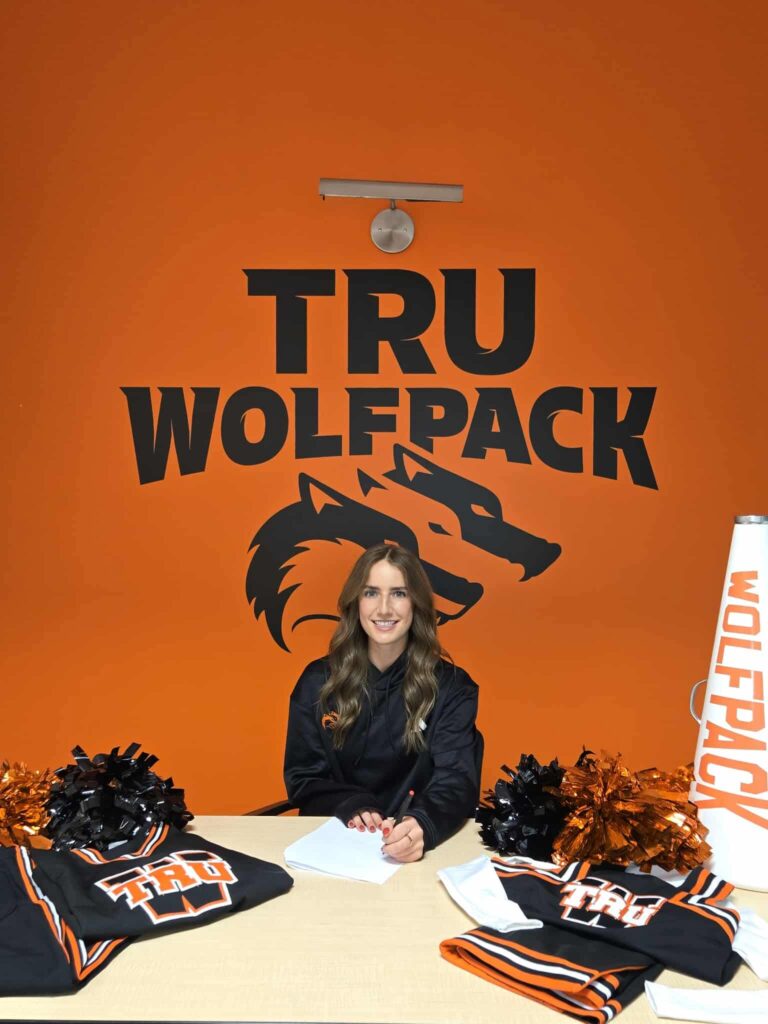
Maria Banman’s 2025-2026 signing. Taken by
Meaghan Blakely, 2025.

At Thompson Rivers University, student-athletes are expected to perform both on the field and in the classroom. For members of the TRU WolfPack, balancing practices, games, travel, and schoolwork can be challenging. Maria Banman, a student-athlete and PACE leader, says the PACE program helps make that balance possible.

WHAT IS PACE
PACE, which stands for Pack Academic Edge, is an academic support program created specifically for WolfPack student-athletes. “It’s a structured, supportive study environment where student-athletes can work on assignments, connect with other athletes, and receive tutoring from PACE leaders,” Banman explained. Each team has one PACE leader: a fellow student-athlete who helps guide others and often specializes in certain subjects.

GOAL OF PACE
Maria Banman says the goal of the program is simple: “The main goal of PACE is to help student-athletes succeed academically while being part of a WolfPack sports team.” With busy schedules and limited free time, many athletes need a set time and place to focus on school. PACE sessions provide that space and help keep students accountable.

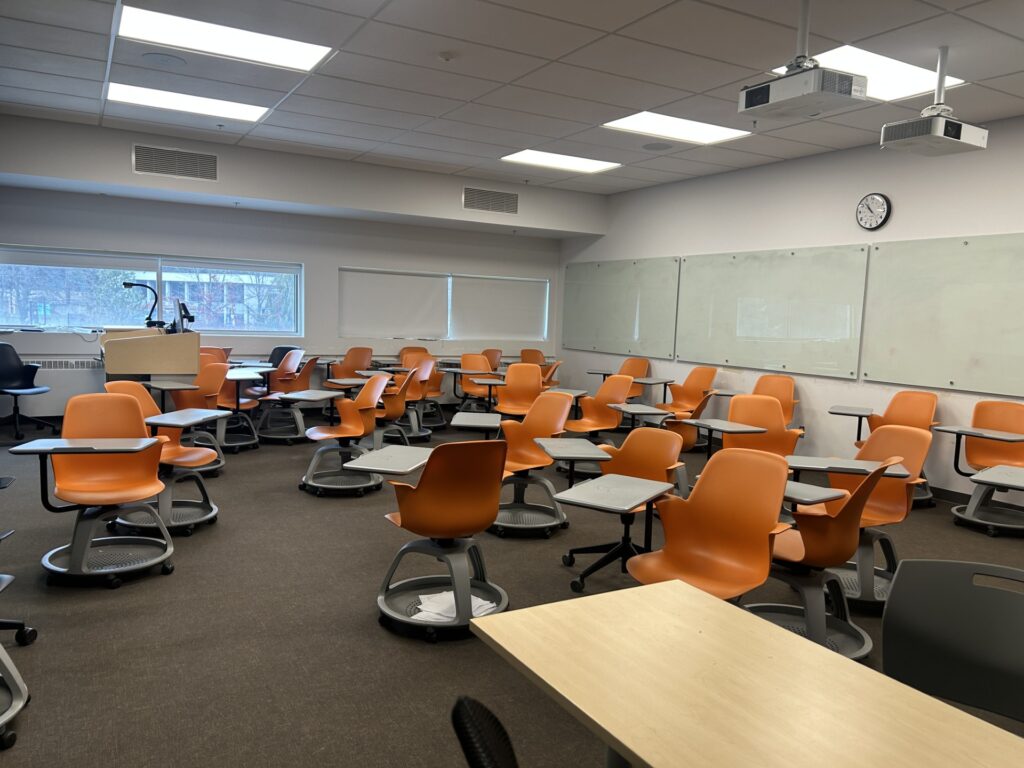
PACE classroom. Taken by Raelene Arden, 2026.

PACE LEADER’S JOB
As a PACE leader, Banman’s job is to create a positive and productive study space. “It’s about supporting and guiding student-athletes,” she said. That might mean sharing study tips, helping break down assignments into smaller steps, or directing teammates to campus resources. She also believes being a leader means setting a good example. “You’re a role model. It’s important to show good habits and that academics are a priority,” she explained.

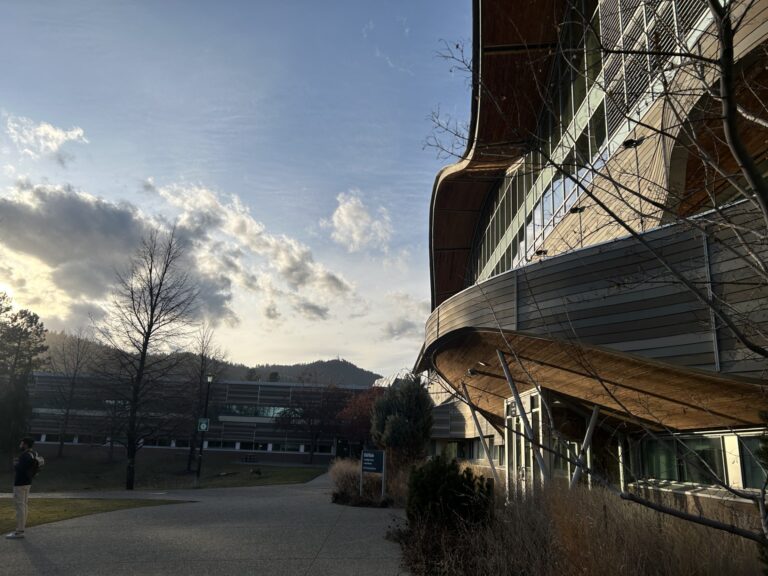
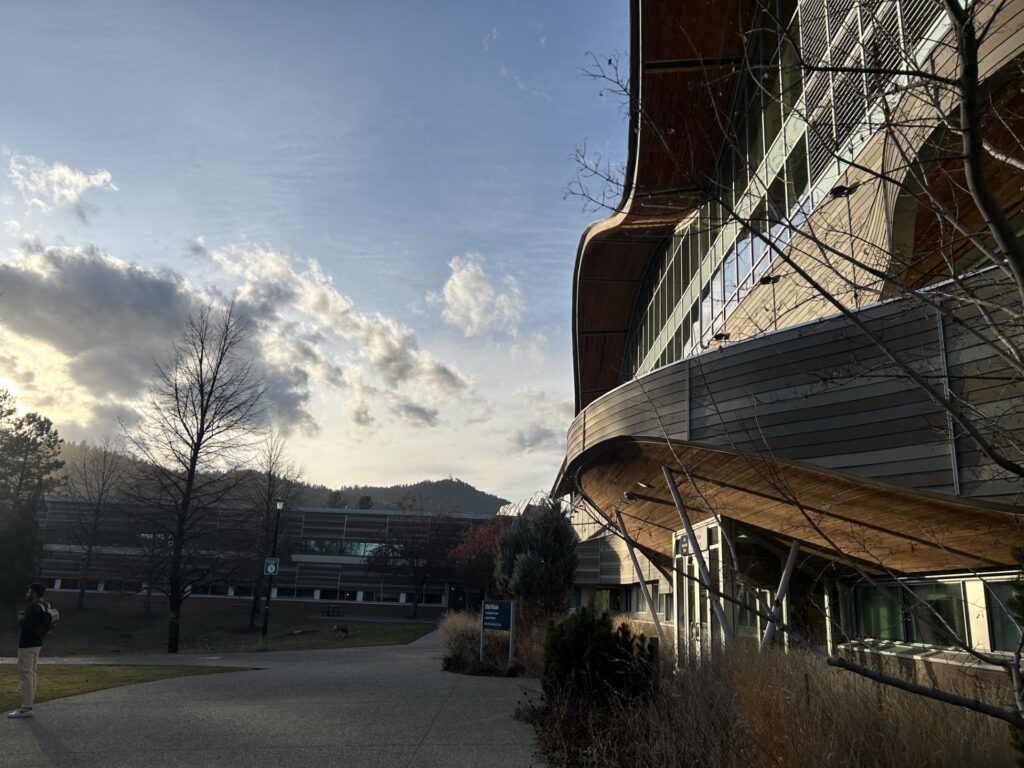
Old Main building. Taken by Raelene Arden, 2026.

ACADEMIC STANDARDS
Academic standards are taken seriously within the WolfPack program. GPA requirements depend on factors like scholarships, year of study, and league, but most student-athletes must maintain around a 65 percent average. “If student-athletes fall below the required GPA, they could lose a scholarship, be placed on academic probation, be required to attend mandatory PACE sessions, lose eligibility, or in severe cases, be removed from the program,” Banman said.


For Banman, PACE is more than just study time. It is a system that helps student-athletes stay on track and succeed in both their sport and their education.